





Curated content for eyewear lovers.
What our BluTech Lens Can Do
What our BluTech Lens Can Do
Since the pandemic, global smartlens has increased by 70 percent, while laptop use has increased by 40 percent. Now that people have adapted to performing many tasks virtually, electronic usage isn’t likely to wane soon. With these lifestyle changes, blue light lenses and treatments are sure to be common topics of discussion in your exam room.
What Blue Light Lenses Do (and Don’t Do)
The Gold Standard For Blue Light Blocking
Although sunlight is our largest source of blue light, chronic exposure to blue light emitted from computers, smartphones, tablets, fluorescent lights and LEDs is an area of concern. However, blue light may or may not be the main culprit when it comes to the damaging effects of electronics on eye health.
Digital Eye Strain (DES), or computer vision syndrome, encompasses clinical features related to accommodative, binocular and dry eye issues. Symptoms include:
- Headache
- Eye fatigue
- Blurred vision
- Difficulty refocusing
- Double vision
- Photosensitivity
- Dryness
- Red eyes
- Irritation
Factors that affect DES are blink rate, critical flicker fusion frequency (CFF), pupil size, accommodative or vergence problems and refractive error. Some studies have found a positive change in CFF and improvement in symptoms using blue-light filtering lenses, while other studies haven’t noted any improvement. While further research is needed in this area, blue-light filtering lenses have been shown to improve health in other ways.
While blue light aids in alertness, concentration, cognitive function and mood, exposure in the evening can suppress melatonin release. Low melatonin levels are linked to:
- Poorer sleep quality and duration
- Difficulty falling asleep
- Disruption of the circadian rhythm
- Chronic diseases such as cancers, cardiovascular disease, gastrointestinal problems, diabetes, and depression
Fortunately, research suggests that blue-light filtering lenses help prevent melatonin suppression and sleep disturbances. These potential health benefits may warrant the recommendation of wearing blue-light filtering lenses before bedtime.
Blue-Light Blocking Treatments
When it comes to quality blue-light filtering lenses, there’s quite a bit of variation in what’s available on the market. Our independent lab, strives to enhance vision and protect eye health.
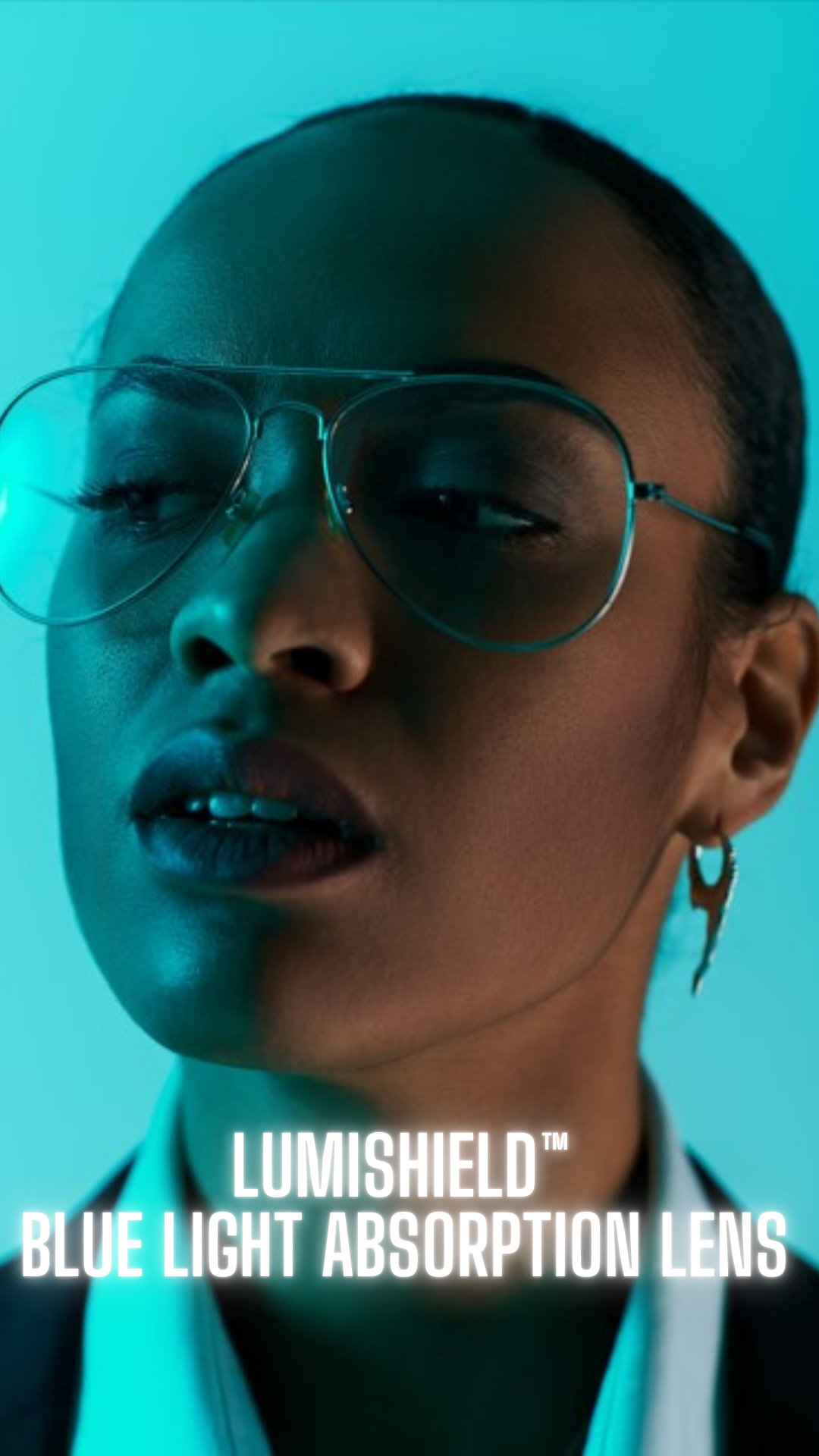
Peak blue light emission occurs at about 455 nanometers, which is emitted by most electronic devices. Unlike many competitors, our BluTech lenses block blue light at this peak wavelength to alleviate DES, aid sleep problems and even prevent migraines. The treatment is infused into the lens instead of a coating that can wear off. The lens is nearly clear, which minimizes color distortion and improves visual acuity. BluTech is available in 41 percent, 45 percent or 59 percent blue-light blocking options.